- 👀 An Honest Look at Dinner and Breakfast at Tosen Goshobo
- 🎹 Dining Venue Atmosphere
- 🍱 Dinner: An Honest Impression — Temperature Was the Fatal Flaw
- 🍚 Cold Rice and Miso Soup — That Was the Breaking Point
- 🌅 Breakfast Was Somewhat Better
- 🤔 Overall Evaluation of the Dining Experience
- ✍️ Final Thoughts: Best for Hot-Spring-Focused Travelers
- 🤝 Familiarity Index 🌏🌏 2 Globes
- 🗒 Related Articles
👀 An Honest Look at Dinner and Breakfast at Tosen Goshobo
Because our expectations for the room and hot spring were so high, the natural question was: how was the food?
For this stay, we chose a plan where both dinner and breakfast were served in the on-site dining venue, not in the room.
To be honest, when it comes to dining, the overall satisfaction level was unfortunately quite low, leaving us with a strong impression of “underwhelming.”
🎹 Dining Venue Atmosphere
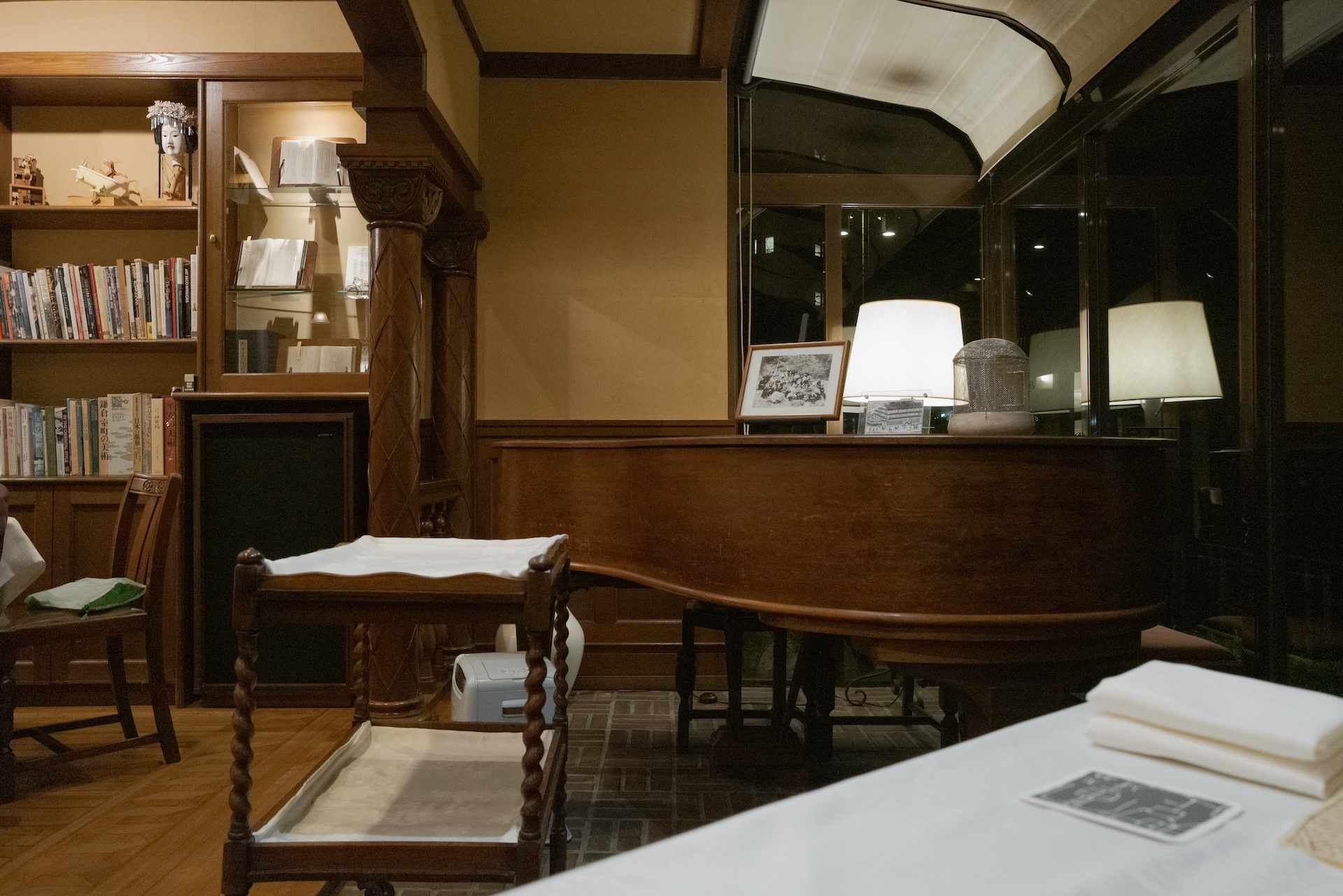
Both dinner and breakfast were served in a room on the first floor, where a piano is placed.
Rather than a restaurant, it feels more appropriate to describe it simply as a shared dining hall.
We were told that:
- The lounge used for check-in can also function as a dining space
- There are also plans that offer in-room dining
On this particular evening, there were two other groups of international guests dining in the same room.
We were seated at a table by the window. While this was likely considered one of the better seats—perhaps because we were staying in a suite—it turned out to be less than ideal.
It was late December, and Arima Onsen was extremely cold. The chill came straight through the window, making the seating noticeably uncomfortable.
When we mentioned the cold, the staff kindly brought us a kerosene heater, which helped—but it didn’t fully resolve the issue.
🍱 Dinner: An Honest Impression — Temperature Was the Fatal Flaw
I’ll be very direct here.
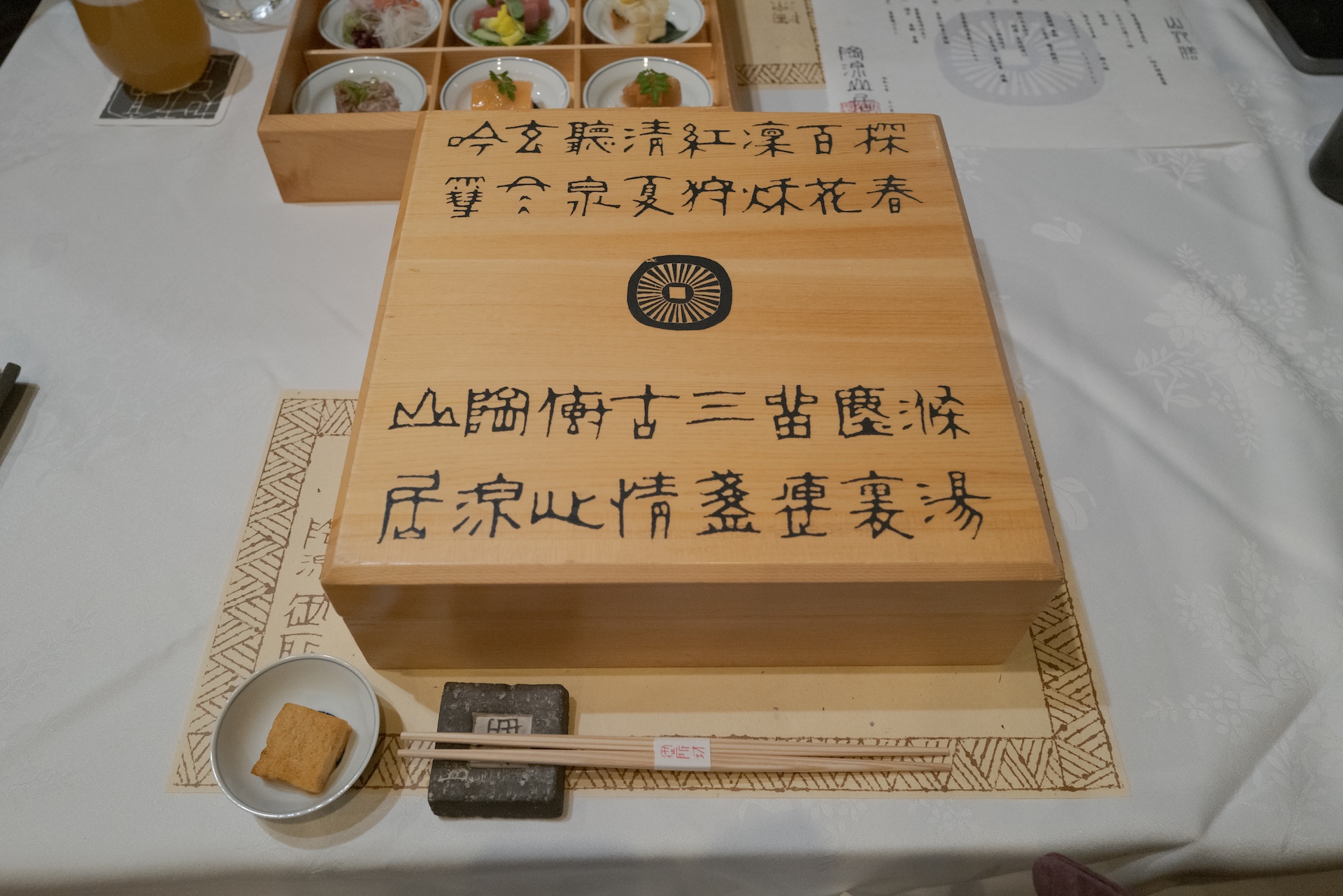
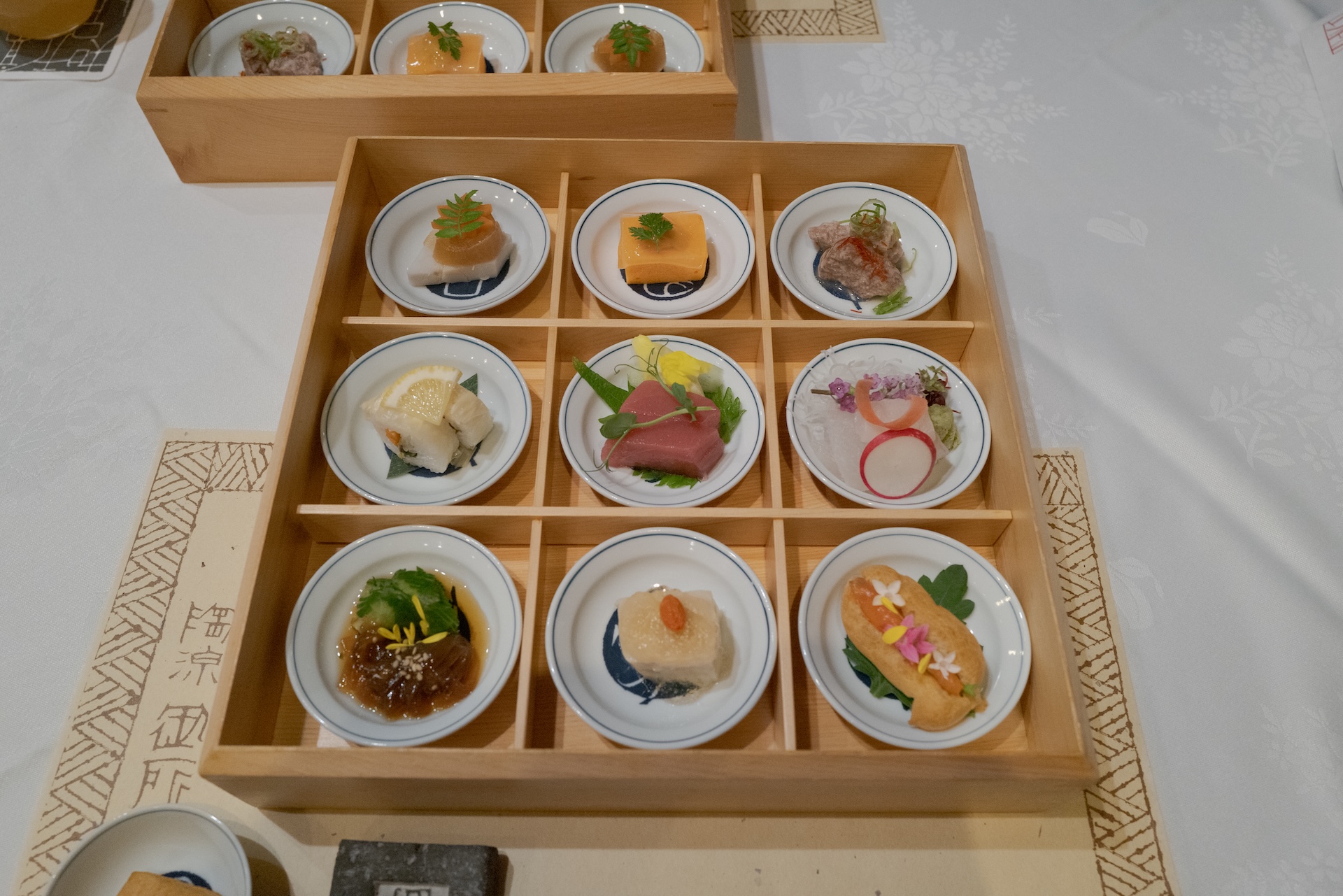
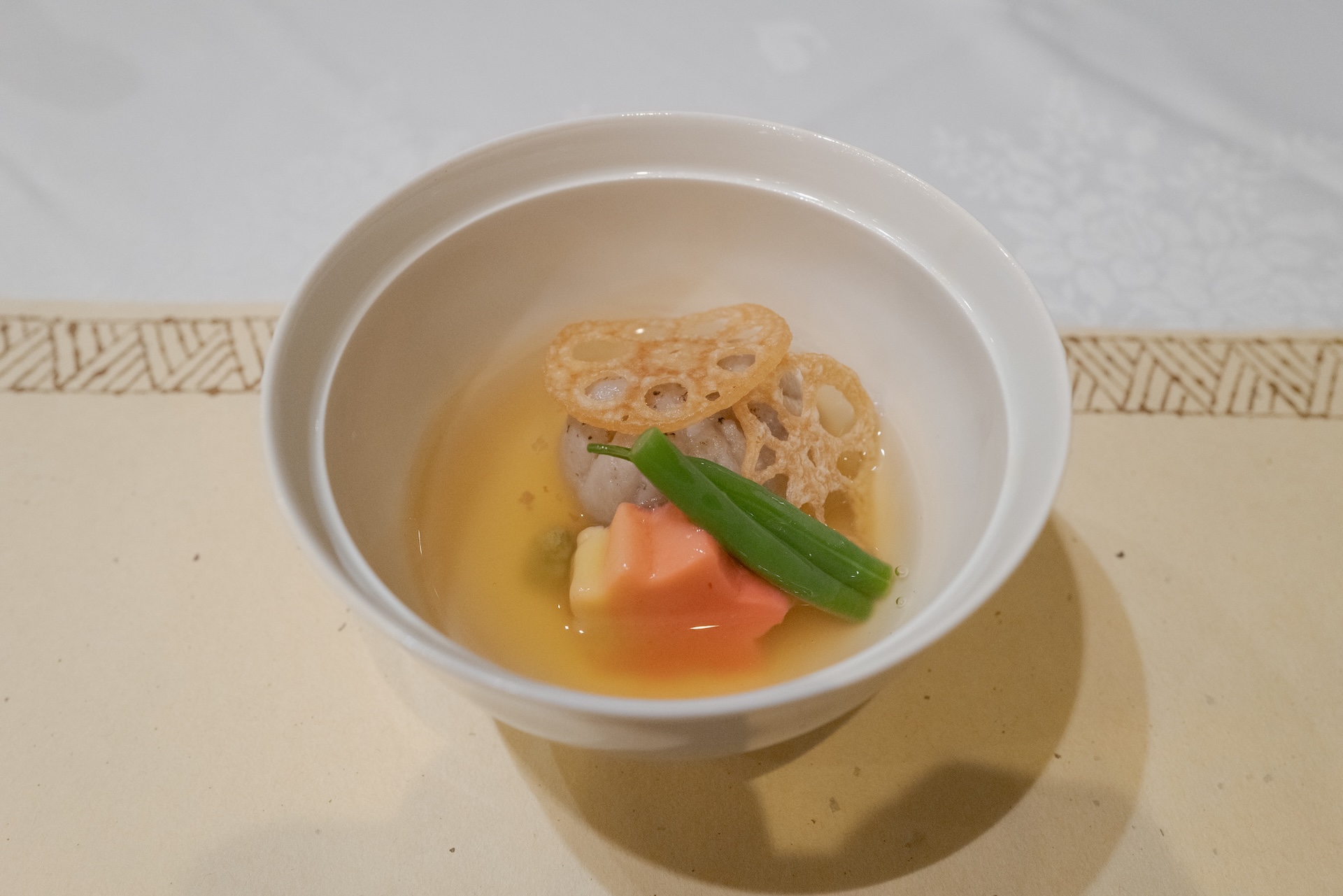
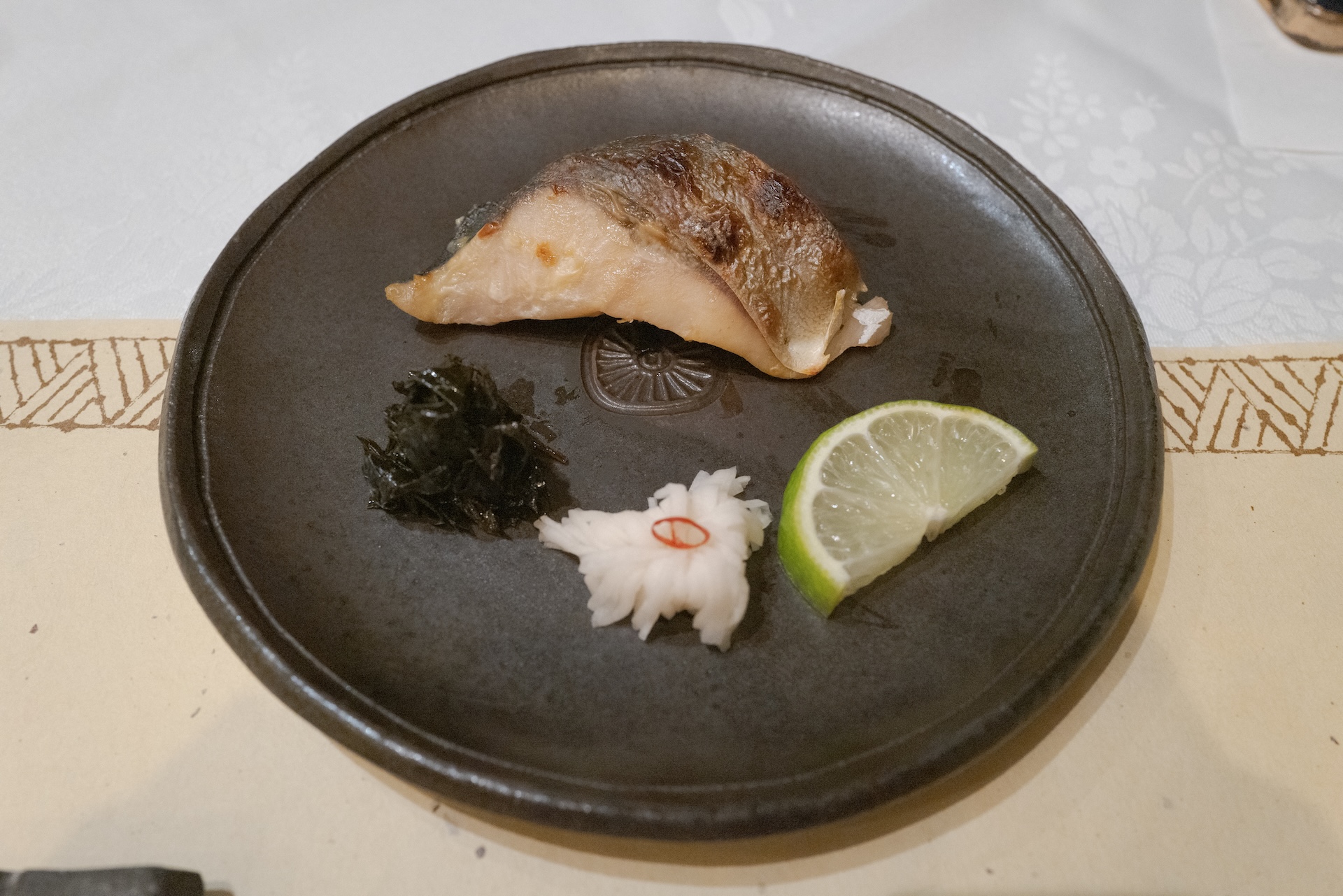
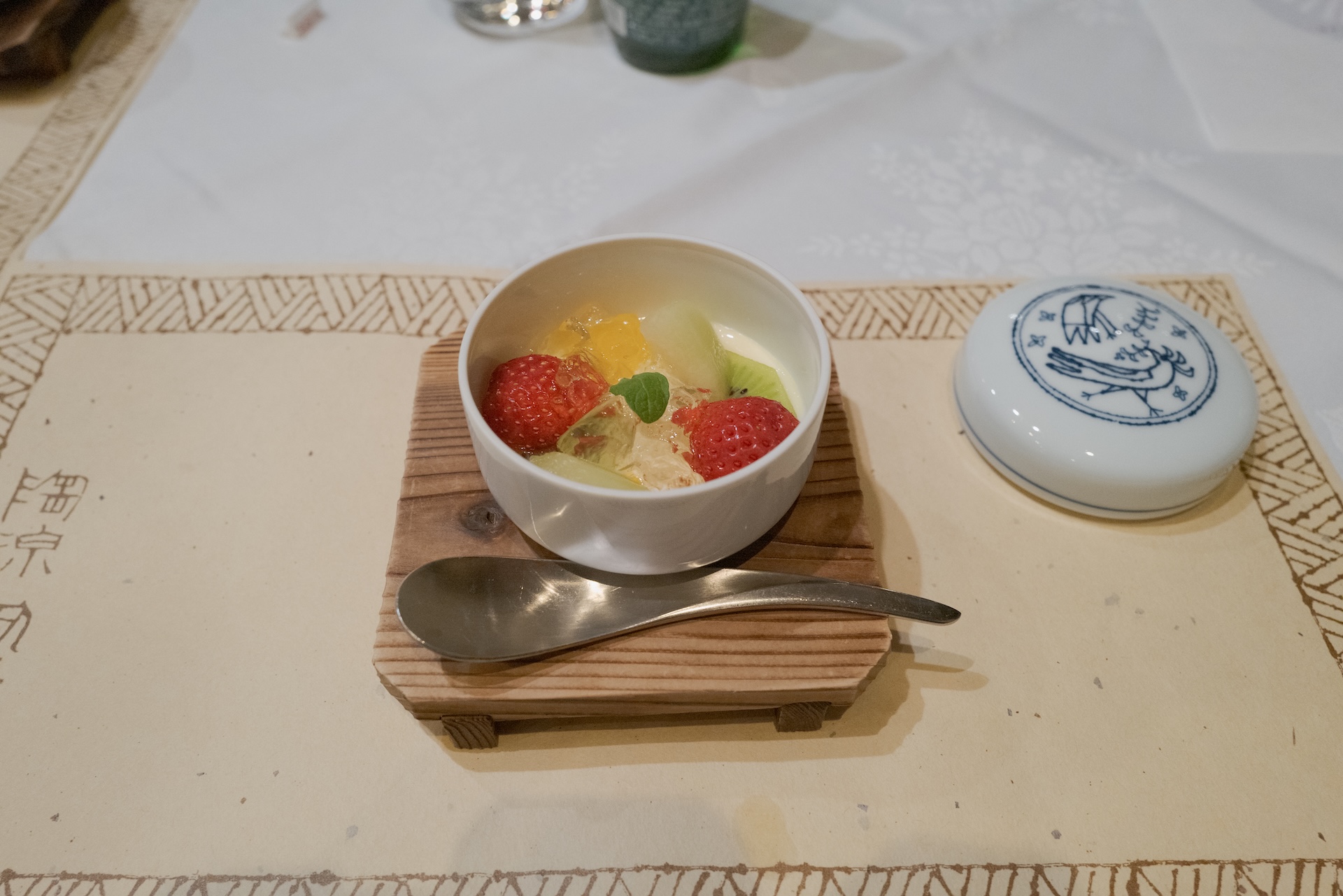
Every single dish served at dinner was cold.
For us, temperature is a fundamental part of enjoying a meal, so this was genuinely shocking.
Having stayed at other ryokan within the Goshobo group before, we had already set our expectations low:
“We’ll prioritize the hot spring; food isn’t the main focus.”
Even with those lowered expectations, dinner at Goshobo still fell far below what we anticipated.
Before even discussing flavor or composition, the main issues were:
- Dishes arrived already cold or lukewarm
- Even items that should have been hot were served cold, making the course-by-course service feel pointless
- The overall experience felt unmistakably like pre-prepared food
Honestly, it felt less like a traditional ryokan dinner and more like eating a boxed meal.
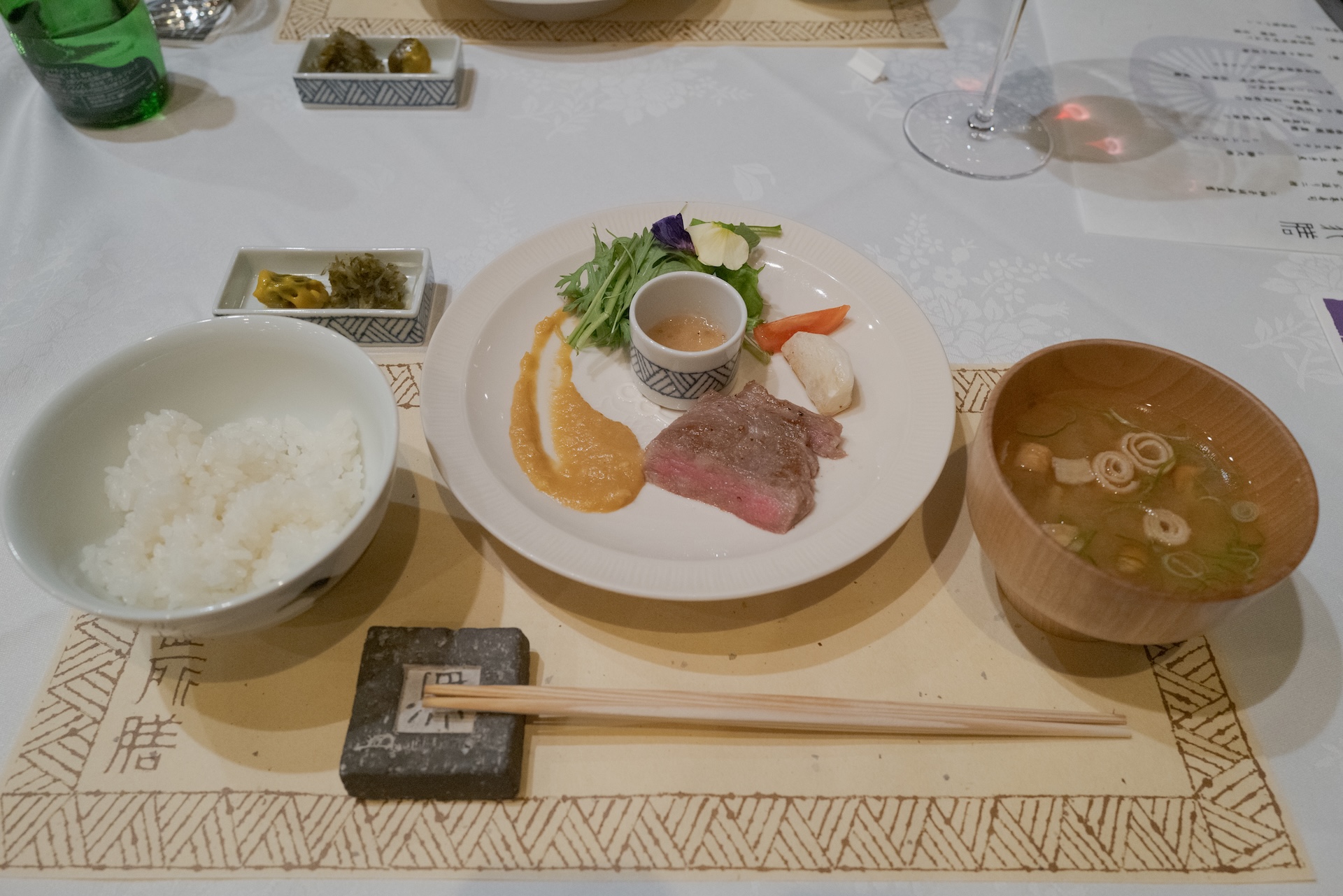
🍚 Cold Rice and Miso Soup — That Was the Breaking Point
What disappointed us most was the final course: white rice and miso soup.
By this point, we already had a bad feeling—and unfortunately, both were cold as well.
Unable to ignore it any longer, we asked:
“Could you please reheat the miso soup until it’s hot?”
The reheated soup arrived after we had nearly finished the rice.
This entire sequence was extremely frustrating.
At an onsen ryokan—especially in winter—hot food should be served hot.
If that basic standard isn’t met, the experience fails before you even get a chance to appreciate the food itself.
It wasn’t a matter of taste.
It was a matter of fundamentals.
🌅 Breakfast Was Somewhat Better
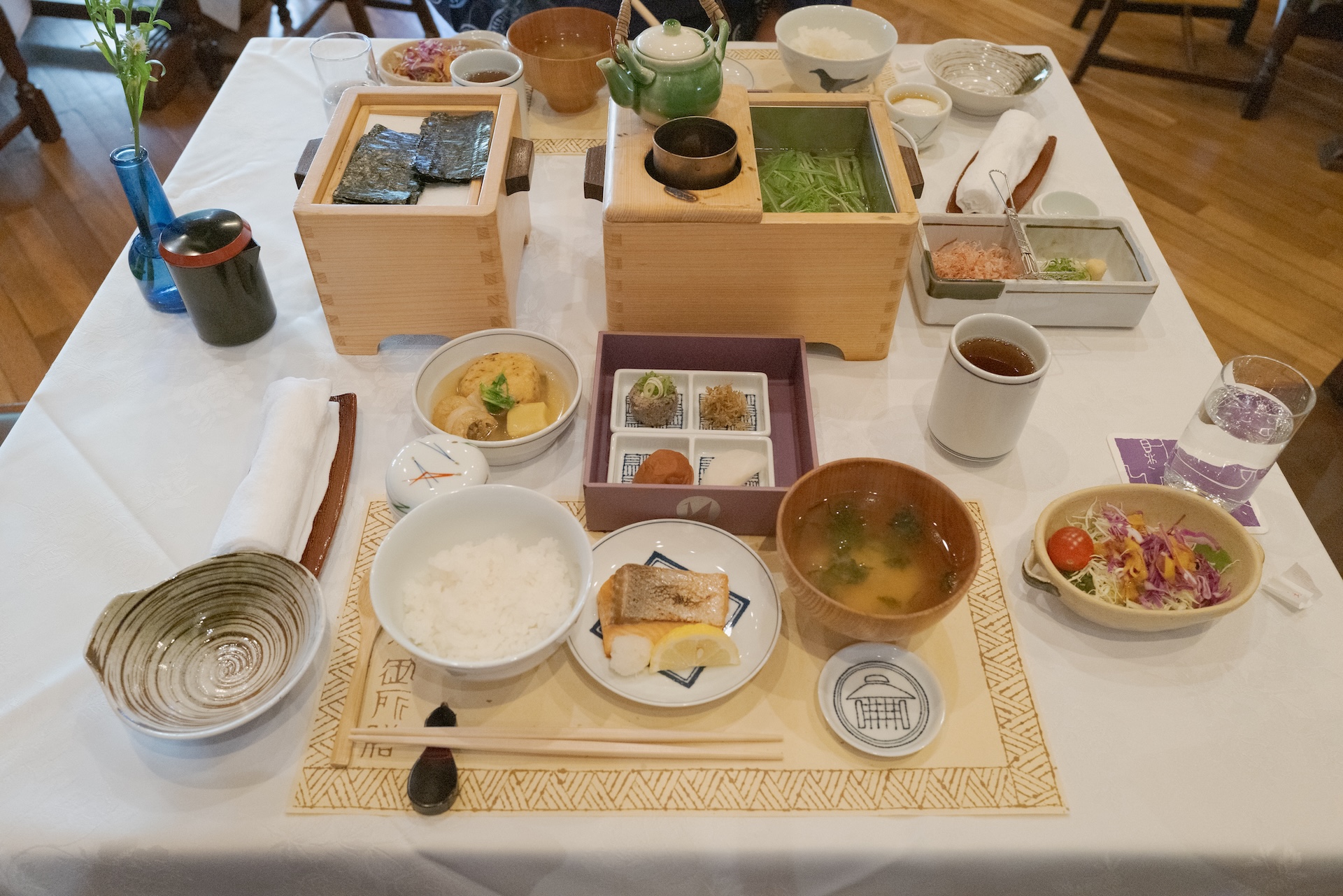
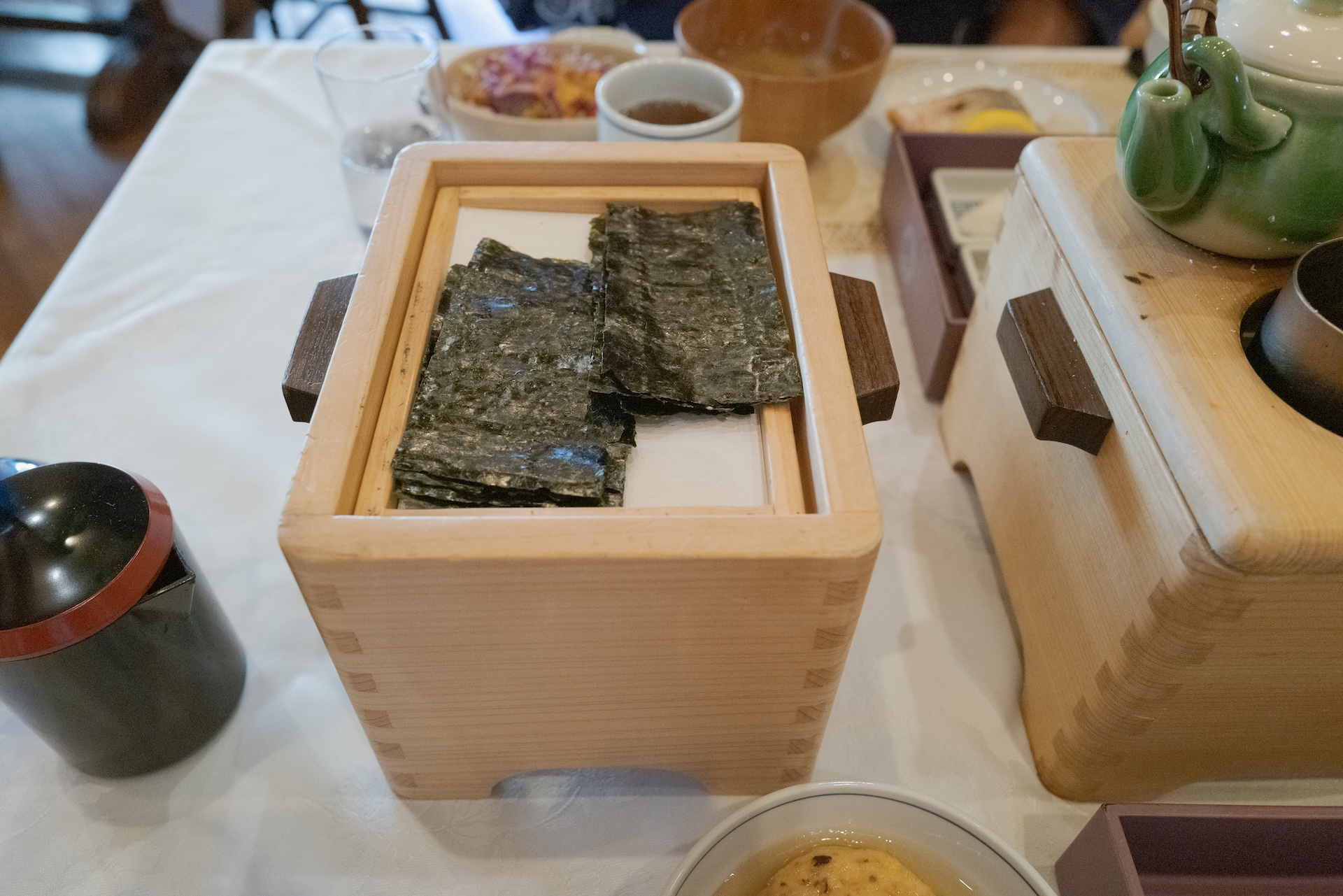
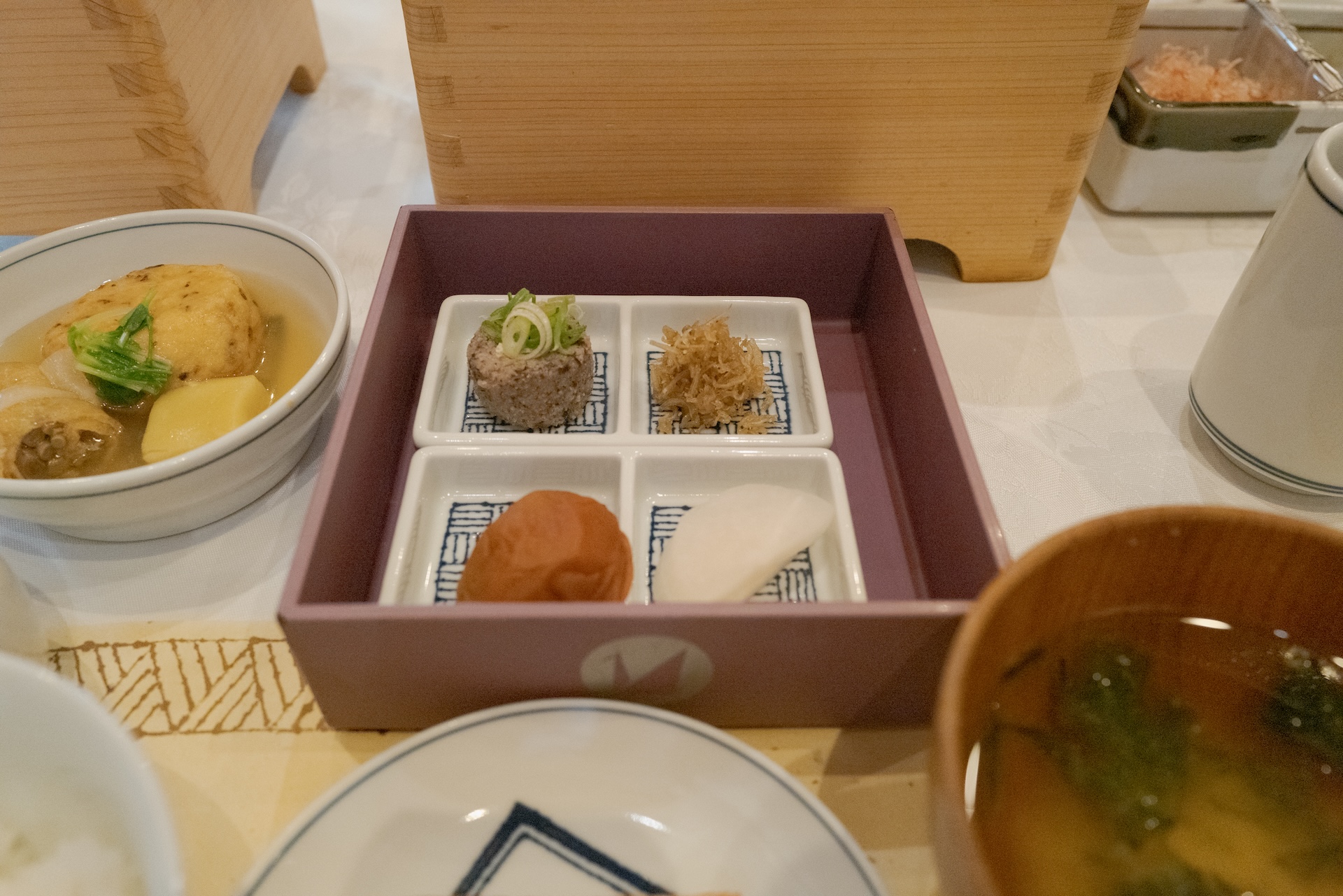
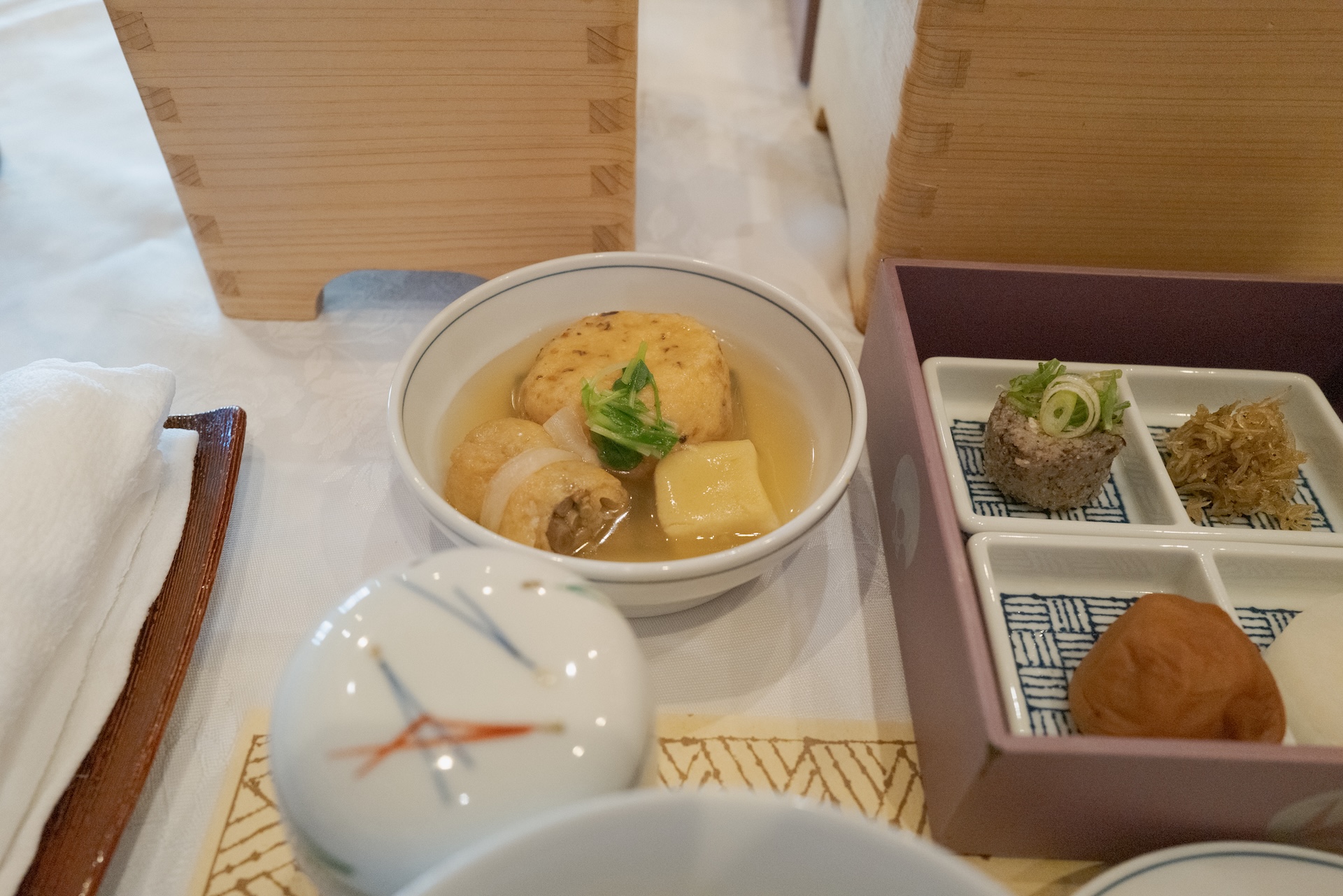
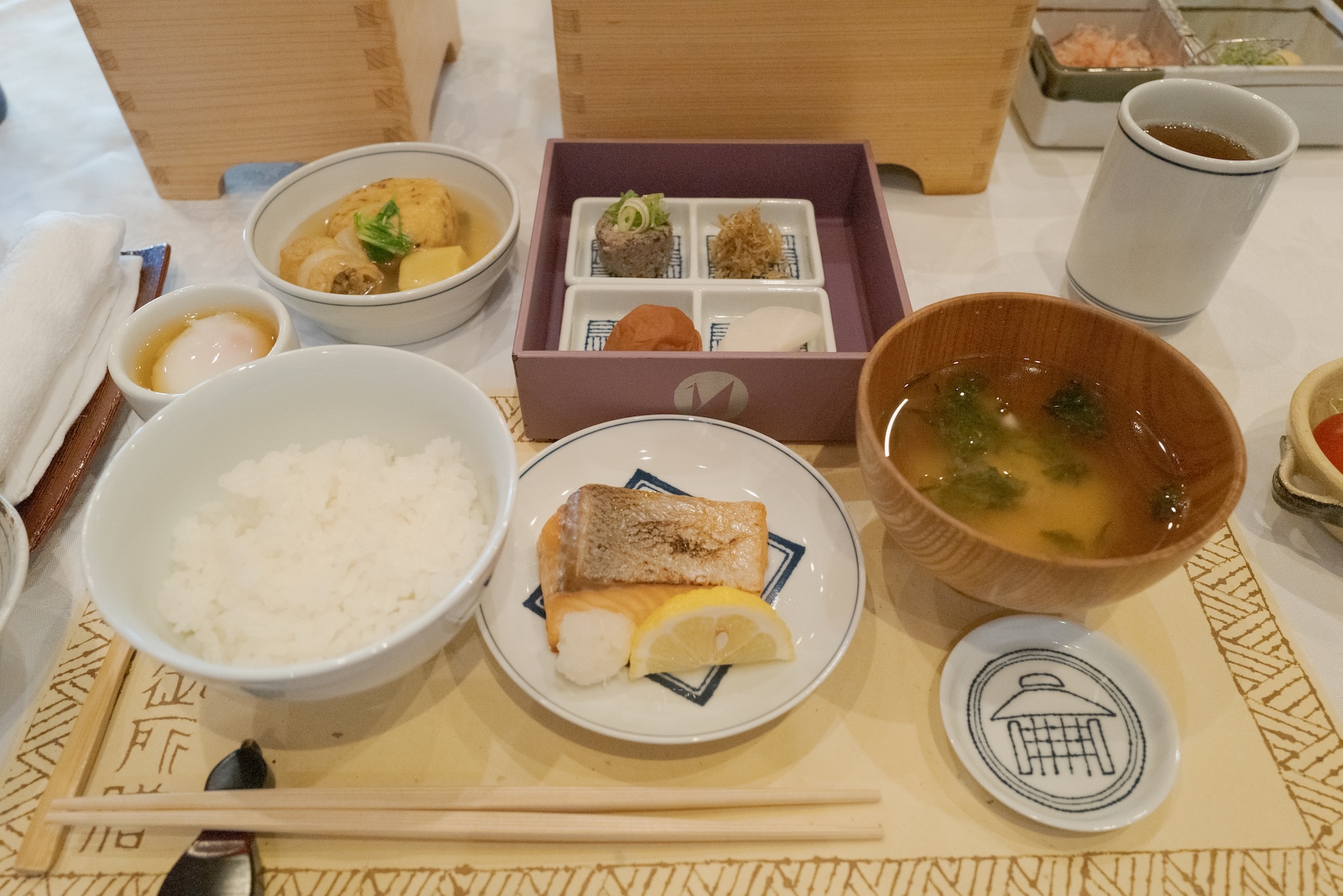
Breakfast, thankfully, was noticeably better than dinner.
The reasons were simple:
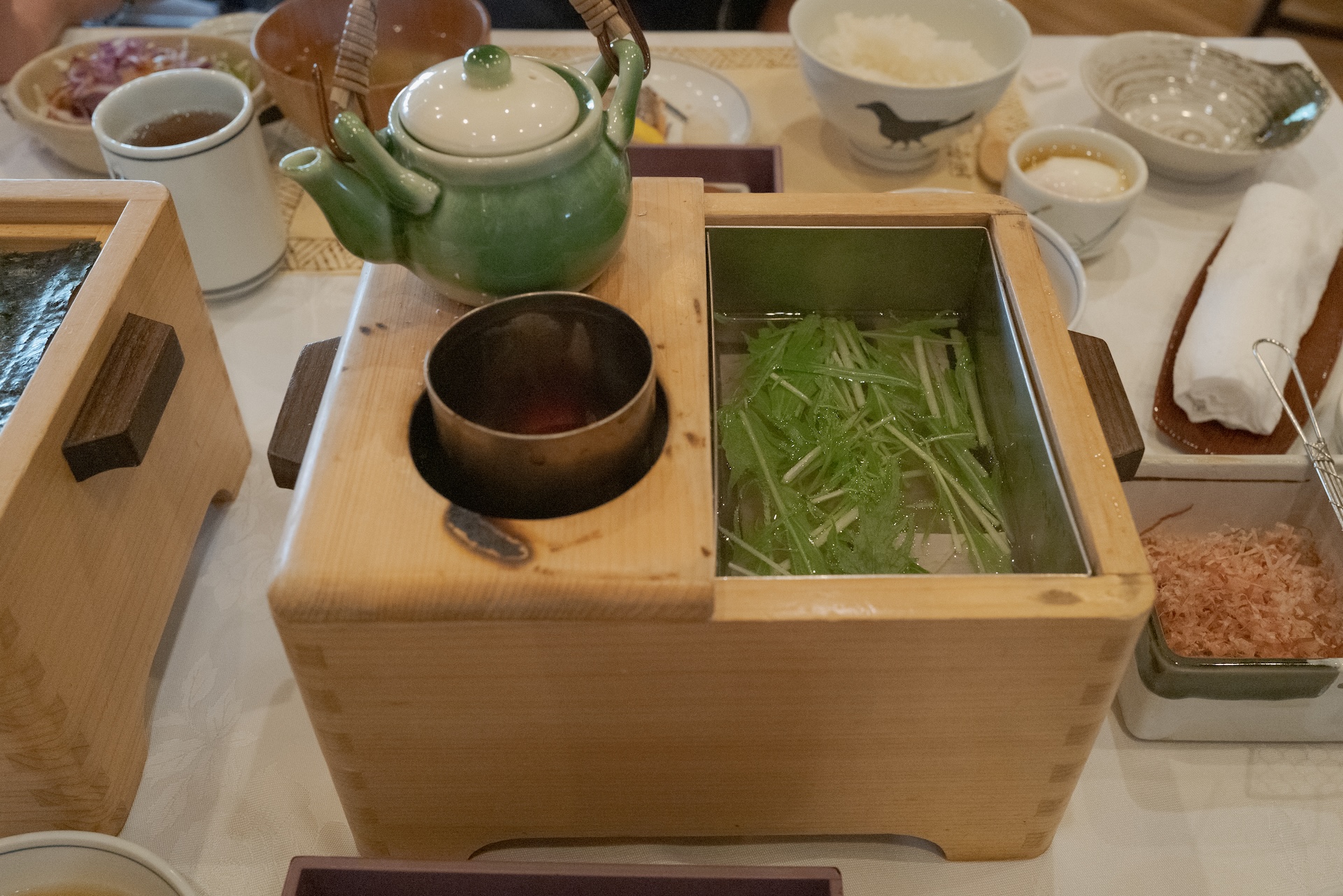
- The tofu was heated in front of us, ensuring it was warm
- Warm side dishes were actually served warm
- Both the rice and miso soup were properly hot
For the first time during the stay, we felt like we were eating a proper ryokan breakfast, which only made the contrast with dinner more striking.

🤔 Overall Evaluation of the Dining Experience
This is purely my personal impression, but here’s how I would summarize it.
What Was Good
- The hot tofu at breakfast was comforting
- Temperature control at breakfast was noticeably better
What Was Disappointing
- Dinner dishes were cold across the board
- The meaning of course-style service was lost
- Cold rice and miso soup was a critical flaw
If the basic issue of temperature management had been handled properly, the overall impression could have been very different.
That’s what makes this dining experience feel especially wasted and unfortunate.
✍️ Final Thoughts: Best for Hot-Spring-Focused Travelers
Tosen Goshobo has undeniable charm when it comes to:
- Free-flowing in-room hot spring baths
- Historic architecture and atmosphere
However, when it comes to dining, I would strongly recommend not setting your expectations too high.
This was something we had already sensed during previous stays at related group properties.
If you:
- Prioritize hot springs above all else
- Can treat meals as “included extras” rather than highlights
then this ryokan may still suit you well.
If we were to stay again, we would seriously consider:
- Skipping the meal plan entirely and dining outside
That option might lead to a more balanced and satisfying stay.
🤝 Familiarity Index 🌏🌏 2 Globes
👉 Click [here] for a full explanation of the Familiarity Index.
🌍🌍🌍🌍🌍 (5 Globes)
Very Easy to Enjoy — Flavors and ingredients are globally familiar, often with Western influences or elements that international guests already love (such as beef, creamy textures, or fusion touches). Approachable and comforting, though from a Japanese perspective they may feel less “purely traditional.”
🌍🌍🌍🌍 (4 Globes)
Mostly Approachable — Primarily Japanese in style, but with gentle flavors or familiar ingredients that make them easy for non-Japanese diners to enjoy. Subtle adaptations or influences may make the dish feel slightly less traditional, but still well-balanced.
🌍🌍🌍 (3 Globes)
Moderately Familiar — A balance of traditional Japanese elements with flavors that remain accessible. Some aspects may feel unique or surprising, but the overall impression is understandable. Often seen as a good “bridge” between cultures.
🌍🌍 (2 Globes)
Challenging but Interesting — Deeply rooted in Japanese culinary culture. Flavors such as fermented notes, delicate broths, or unique textures may feel far from Western-style meals, but rewarding for those who enjoy culinary exploration.
🌍 (1 Globe)
Highly Unfamiliar — Very traditional and often perceived as mysterious or even difficult for non-Japanese palates. These dishes embody the essence of Japan’s food culture, even if they feel distant to global taste.